

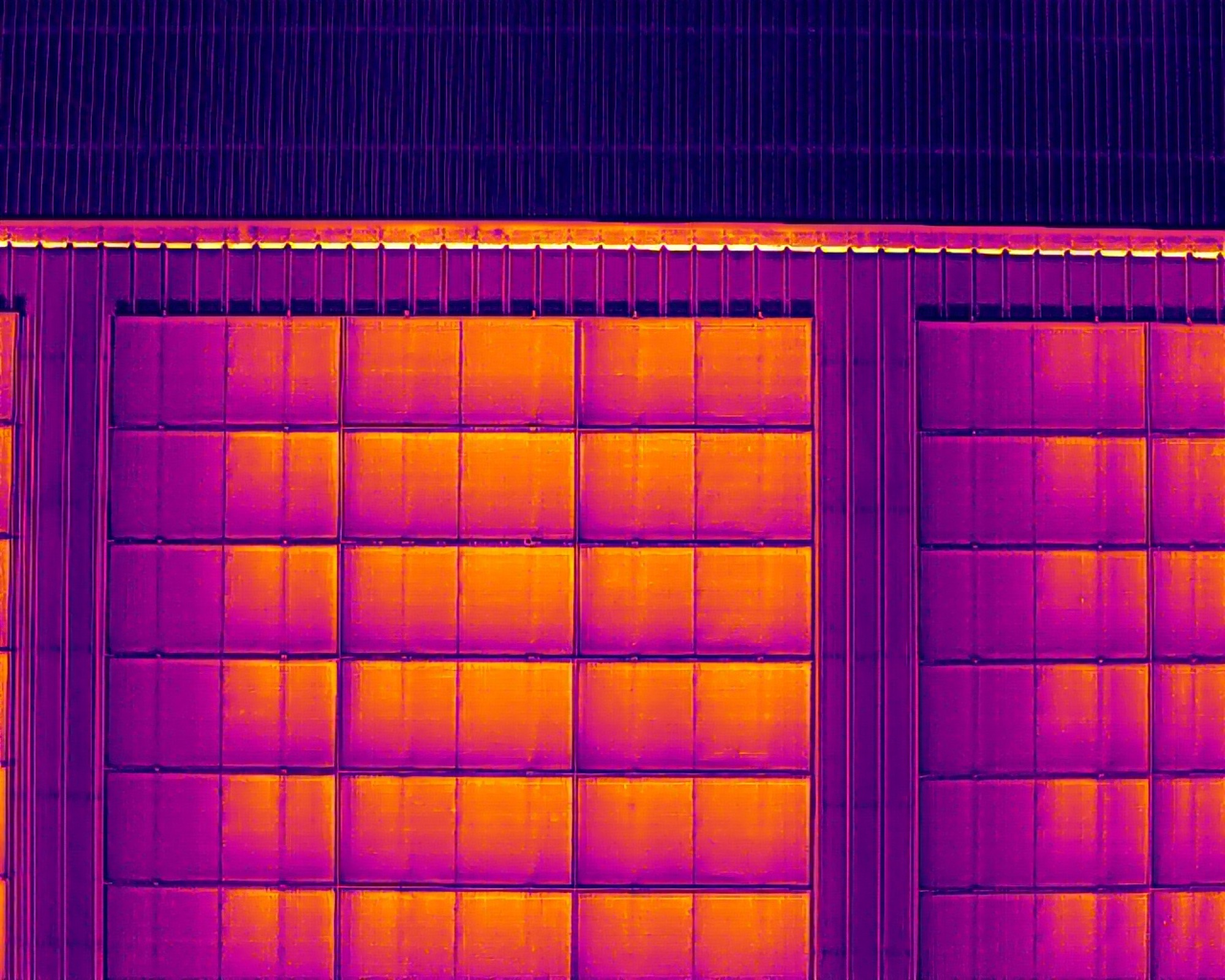
If your solar system is generating less than it did this time last year, the most common cause by far is soiling: a film of dust, salt, pollen, lichen or bird mess that has built up gradually enough that you never noticed it. It is also the cheapest thing to rule out. Panels themselves degrade slowly, typically under half a percent a year, so a noticeable year-on-year drop is almost never the panels wearing out.
Here is how to work out what is actually going on, in the order worth checking.
First, compare the right numbers
Compare this month against the same month last year, not against last month. Generation in New Zealand swings enormously with the season, so a drop from January to May is just winter, not a fault. Nearly every inverter app will show you a year-on-year view.
Also sanity-check the weather. A dull, wet month will pull generation down on its own. If last year’s equivalent month was unusually sunny, you are comparing against a high mark.
If the drop is still there after both of those, something on the roof has changed.
The usual causes, most likely first
1. Soiling
Dust, salt film, pollen, tree sap and bird droppings build up gradually. Rain does not clear most of it, particularly salt film and anything sticky, and on panels pitched under about ten degrees rain leaves grit behind rather than washing it off. Recovery from a clean varies enormously depending on how bad the system was, from a few percent on a lightly soiled array to a great deal more on one that has been neglected for years.
2. Lichen and moss
Common on shaded and south-facing arrays, and worse in damp regions. Lichen grips the glass and the frame edges and will not shift with water alone. It also spreads, so it gets worse each year rather than plateauing.
3. Birds nesting underneath
Droppings sit in one spot and are acidic, nesting material blocks the airflow that keeps panels cool, and both hurt output. If you can hear birds in the roof near the array, or see them going in and out beneath the panels, this is likely your answer. Cleaning alone will not fix it, the nesting has to be dealt with and the gap closed.
4. New shading
Trees grow. A neighbour builds. A new aerial or flue goes in. Shade on even one panel can drag down a whole string depending on how the system is wired, so a small new shadow can cause a disproportionate loss.
5. A string or inverter fault
This is the one worth catching quickly. If one string has dropped out, you can lose a large share of your generation overnight rather than gradually, and the system will often keep running without any obvious alarm. Check your inverter for fault codes and compare string outputs against each other if your app shows them.
6. Panel degradation
Real, but slow. Manufacturer warranties typically allow for around half a percent of output loss per year. Over a decade that is noticeable; over one year it is not what you are seeing.
What you can check yourself
- Look at the array from the ground on a bright day. Visible film, dark patches, streaking or green growth all point to soiling.
- Check the inverter screen or app for fault codes, and for any string reading zero or well below its neighbours.
- Watch for birds going under the panels, especially early morning.
- Look for new shade at different times of day, not just at noon.
What you should not do is climb up to investigate. Roof falls are the most common serious injury in this line of work, and walking on panels causes microcracks that will cost you far more than the clean.
When to call someone
If the year-on-year drop persists and the weather does not explain it, a maintenance visit will settle it. Ours includes a clean plus a 7-point inspection covering cabling, panel condition, corrosion, mounting hardware, pest activity and inverter readings, with output measured before and after so you can see exactly what the clean recovered and what it did not. If the clean does not recover the loss, that itself is useful information, because it points at a fault rather than at soiling.
Most New Zealand homes pay $275 to $395 including GST. The full breakdown is on our pricing page.
Frequently asked questions
How much output can dirty panels lose?
It depends entirely on how dirty they are and what the dirt is. A light dust film costs a few percent. Heavy lichen or bird fouling on a system nobody has touched in years can cost a great deal more. Anyone quoting you a single fixed percentage is guessing.
Will rain clean my panels?
Partly, and less than people expect. Rain moves loose dust. It does not shift salt film, sap, lichen or droppings, and on low-pitch arrays it can leave grit behind as it dries.
My system is only a few years old, surely it does not need cleaning?
Age has little to do with it. Location does. A two-year-old system near the coast or under trees will be dirtier than a ten-year-old system on an exposed inland roof.
Could it be the inverter?
Yes, and that is worth ruling out early because it is the failure that costs you the most while looking like nothing is wrong. Fault codes and an unusually low or zero string reading are the tells.
Get it checked
We service Auckland, Waikato, Bay of Plenty, Rotorua, Taupō, Whakatāne, Northland, Taranaki, Hawke’s Bay, Gisborne, Coromandel and Wellington.
Where we clean: if your output has dropped, we can clean and check the system anywhere we cover, including solar panel cleaning in Rotorua, Taupō, New Plymouth and Gisborne. See all areas.
Get a free quote, or read more on how often to clean solar panels and bird proofing.