

Nearly 42% of homeowners say their maintenance costs turned out more expensive than they expected, and solar systems are no exception to that surprise. Residential solar maintenance sits in a strange spot: the panels look fine from the ground, so most people assume “no news is good news.” It isn’t. The hidden costs vs professional cleaning results conversation is really a conversation about money you’re already losing without knowing it.
Key Takeaways
| Question | Straight Answer |
|---|---|
| How much output can dirty panels really lose? | Anywhere from 5% to 40% depending on the site, with unmaintained systems in high-soiling spots losing a significant share of output each year. |
| What does professional solar panel cleaning cost in NZ? | Most homes pay between $275 and $395 for a standard residential clean. |
| Is DIY cleaning actually cheaper? | Only on the invoice. Tap water and stiff brushes can permanently degrade panel coatings, which costs more long term. |
| What’s included in a professional clean? | A 7-point inspection, pure water wash, before/after photos, and a written report within 48 hours. |
| How often should PV panel maintenance happen? | Most NZ homes need a clean every 12-18 months, sooner near the coast or under trees. |
| Does bird activity add hidden costs? | Yes. Nesting under panels causes hotspots, cabling damage, and voided warranty claims if left unaddressed. |
| Is solar panel cleaning worth it in 2026? | For most households, yes. The energy recovered typically outweighs the cost of the clean within one billing cycle. |
The Hidden Costs Nobody Mentions When You Buy Solar
When you install solar, the sales conversation is all about savings. Nobody talks about what happens five years in, when a film of salt, pollen, and bird mess has been quietly sitting on your panels for a season or two.
Dirty panels cost you money every single day. Not in one dramatic bill, but in small percentages shaved off your generation, week after week, that you never see itemised anywhere.
The research is blunt about it: dirty solar panels lose between 5% and 40% of their potential output, and systems left completely unmaintained in high-soiling environments can lose a significant share of their annual production. That is real money leaving your power bill savings, and it happens silently.
PV Panel Maintenance: What Actually Happens During a Proper Clean
Real solar maintenance is not a garden hose and a Saturday afternoon. It is a documented process designed to catch problems before they become expensive ones.
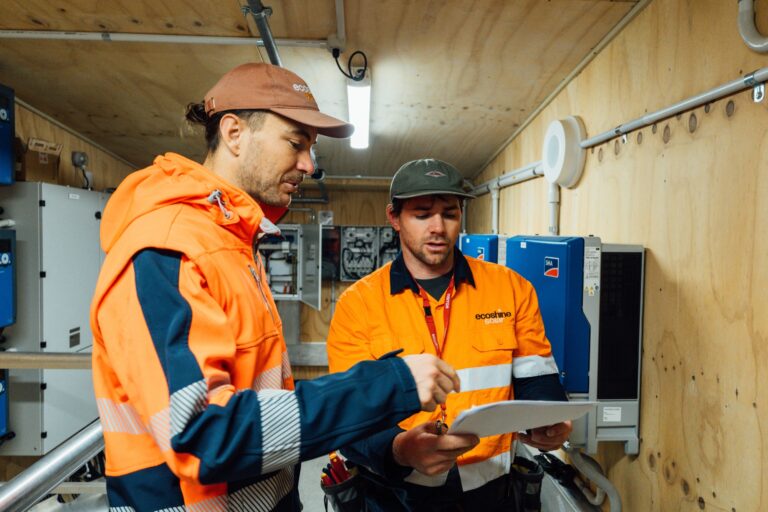
Every clean we do includes a 7-point inspection covering panels, isolators, cabling, framing, mounting hardware, pest activity, and inverter readings. We’re checking system health, not just wiping down glass.
- Pure water cleaning: Reverse osmosis water strips salt film and grime without chemicals that could void your warranty.
- Fault code checks: Inverter readings flag issues you would otherwise only notice on a much bigger power bill.
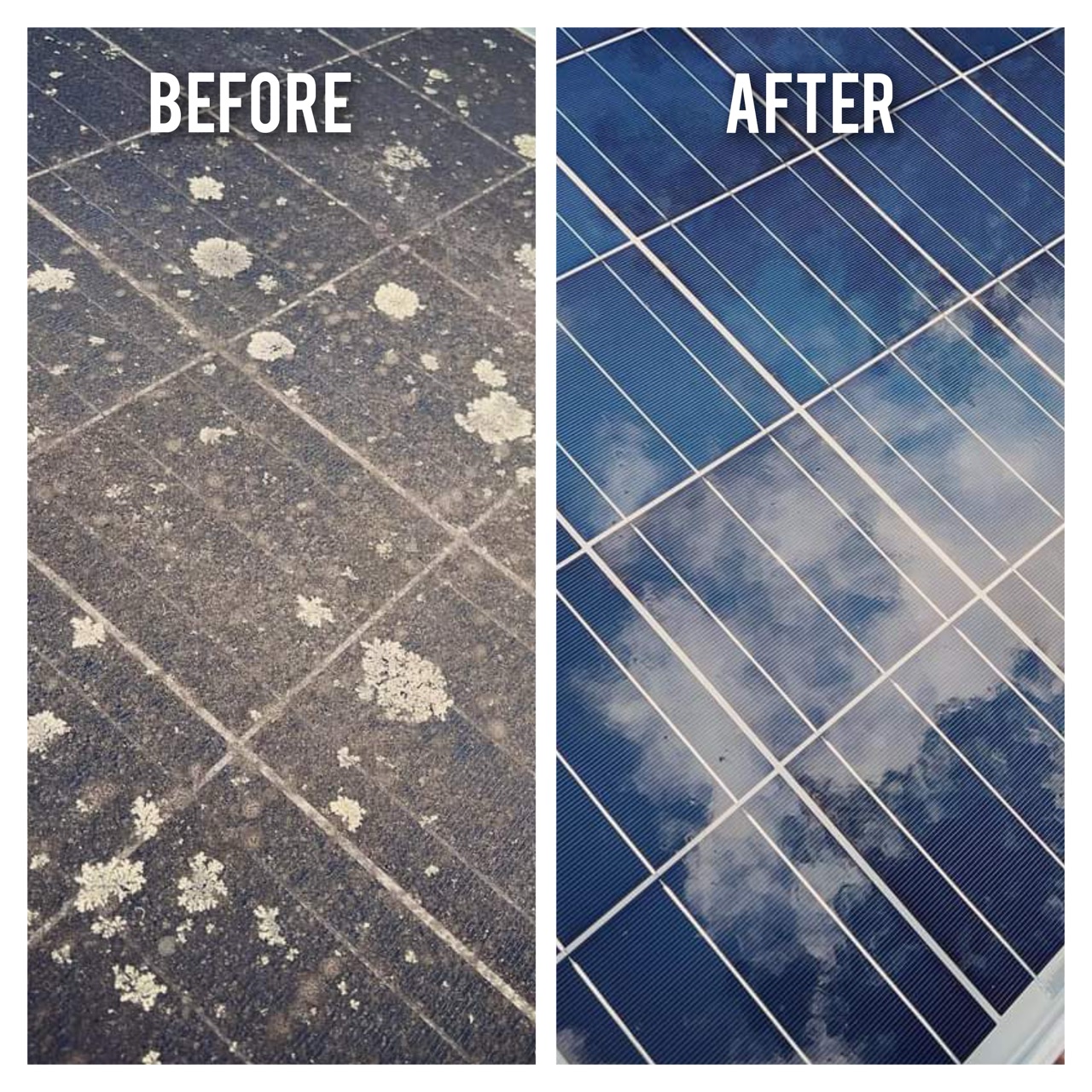
- Before and after photos: Visual proof of what changed, not just an invoice.
- Written report within 48 hours: A record of your system’s health, delivered so you can act on anything worth fixing early.
You can read the full breakdown of what’s covered on our solar panel cleaning service page, but the short version is simple: a clean system earns more, and a neglected one quietly costs you.
DIY vs Professional Solar Panel Cleaning: Where the Real Costs Hide
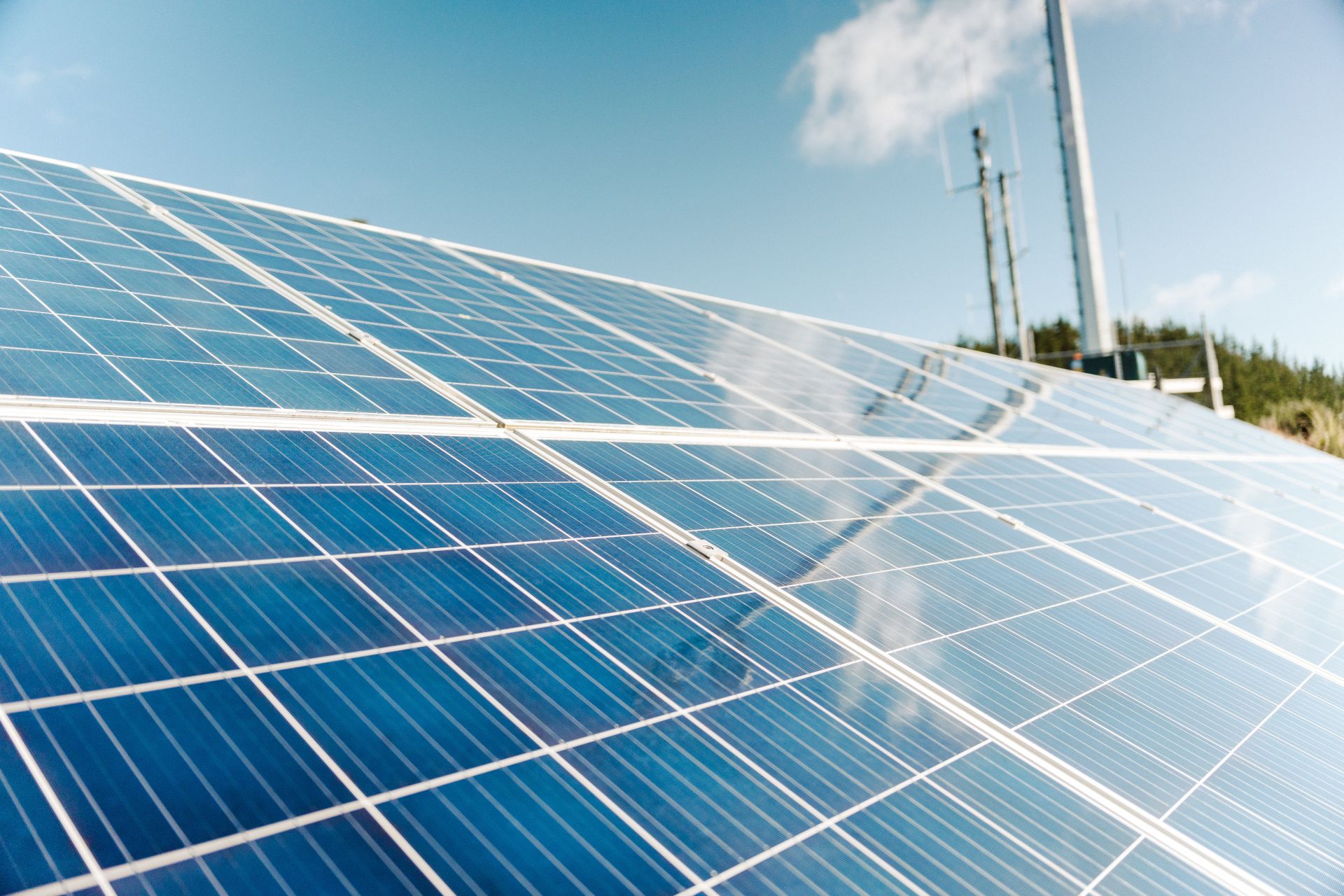
We understand the appeal of doing it yourself. A hose, a soft brush, a sunny afternoon, and no invoice. But the hidden costs vs professional cleaning results comparison gets ugly quickly once you factor in what tap water and the wrong tools can do.
Tap water carries minerals that leave calcium deposits behind, and those deposits can reduce light transmission by 2-4%. That’s a permanent haze, not a temporary layer of dust that rain will fix.
Worse still, abrasive scrubbing tools scratch the anti-reflective coating on the glass. That kind of damage adds an extra 0.3-0.5% permanent degradation every year on top of normal panel aging, and it doesn’t come off.
Our pure water systems eliminate the need for harsh chemicals that could potentially harm your solar panels or void your warranty.
Did You Know?
Manual cleaning with deionised water and soft brushes restores solar panels to 95-99% of their near-new efficiency. Source: Energy Solutions
Rain alone only removes 40-75% of loose dust, and it does nothing against pollen, sap, or bird droppings that have bonded to the glass. If you’re relying on the weather as your maintenance plan, you’re leaving performance on the table.
Where DIY does make sense: rinsing accessible ground-mounted panels with plain water on a routine basis between professional visits. Where it stops making sense is anything on a roof, anything involving abrasive tools, or anything you’re not comfortable doing at height. Read more on the difference on our residential solar solutions page.
Solar Panel Cleaning Cost NZ: What You’ll Actually Pay in 2026
Most NZ homes pay between $275 and $395 for a professional residential clean, and that covers around 90% of the jobs we do. That is a small number next to the annual losses a neglected system racks up quietly.
| Factor | Effect on Price |
|---|---|
| Number of panels | More panels, higher price, but lower cost per panel |
| Roof pitch and access | Steep or difficult roofs require more safety gear and time |
| Soiling level | Heavy lichen or bird mess takes longer than a routine dust wash |
| Location | Coastal and rural properties often need more frequent cleans |
Two questions determine your ballpark price before any work starts: how many panels, and what the roof is like. Get your actual number on our solar panel cleaning cost page, no email required.
Bird Proofing and Anti-Soiling: The Maintenance Costs Homeowners Forget About
Cleaning is only half the residential solar maintenance picture. Birds nesting underneath panels bring droppings, feathers, and nesting material that block airflow and create hotspots on the cells beneath.
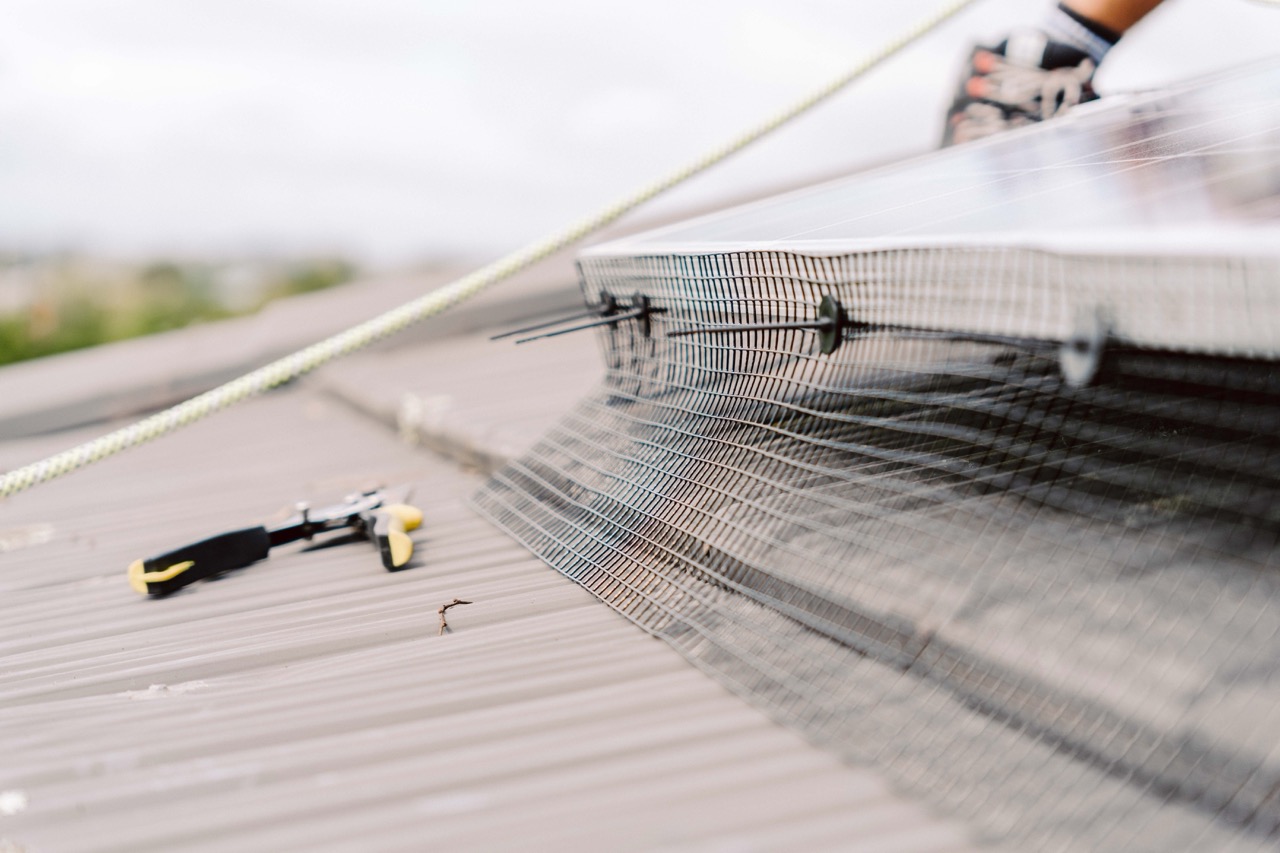
We restore your system’s performance with specialist equipment, and protect it from bird damage before it starts. Our bird guard mesh is marine-grade stainless with a PVC coating, sized to stop birds nesting under the panel and clipped to the frame so nothing gets drilled.
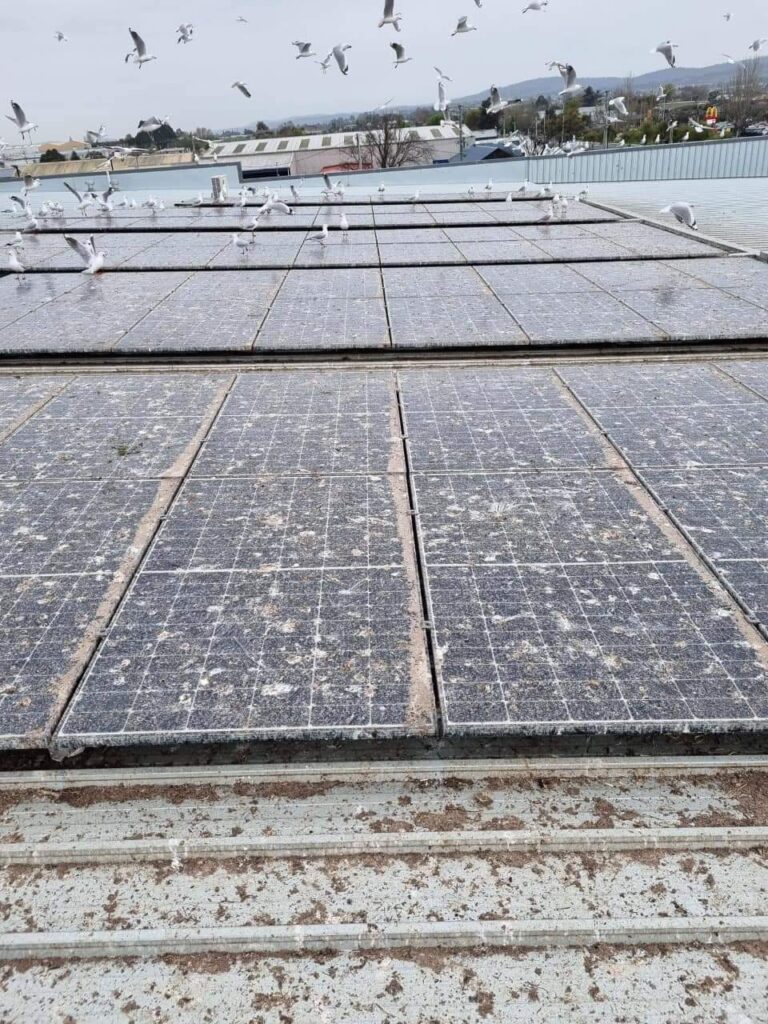
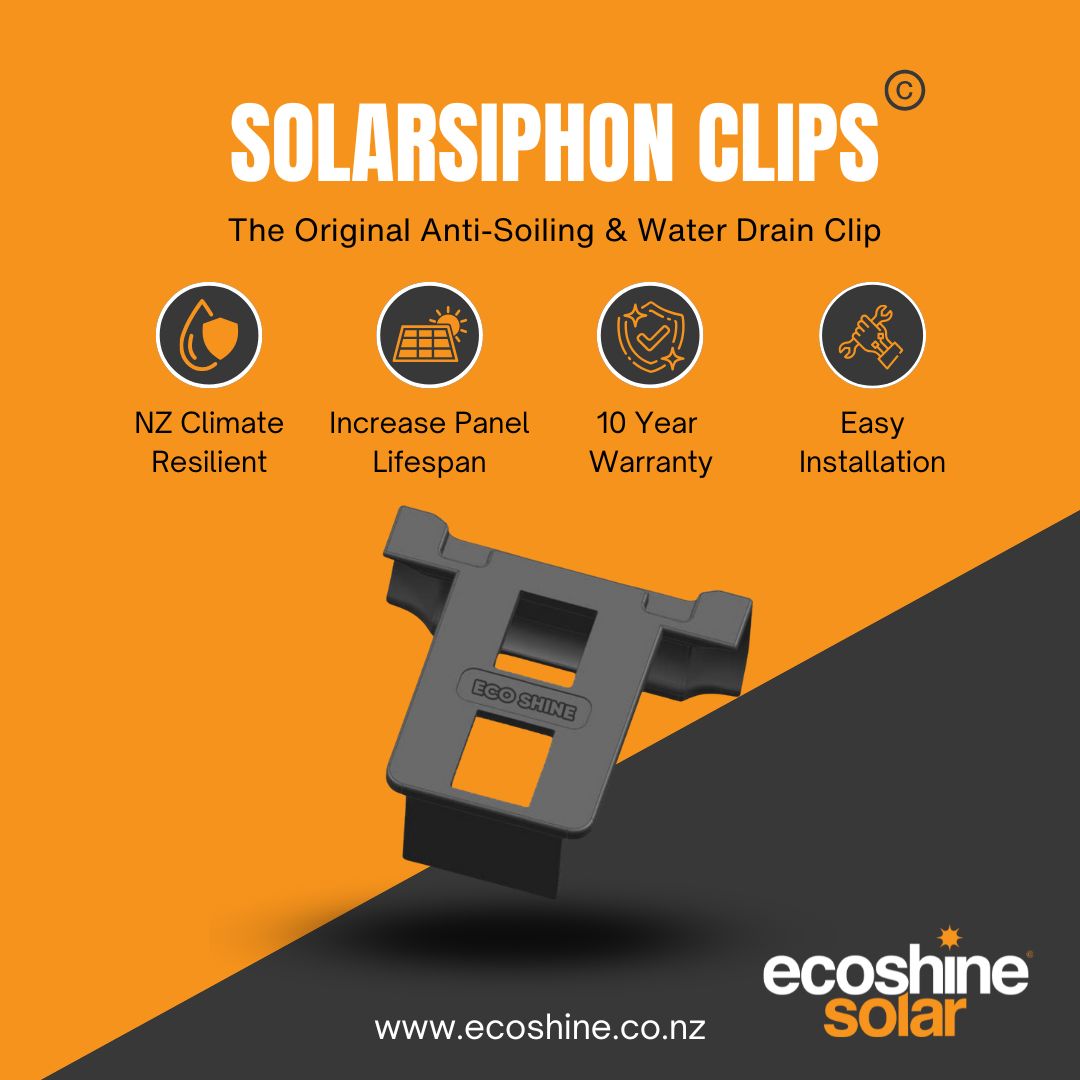
Anti-soiling clips are another quiet hidden-cost fix. Solarsiphon™ clips drain water and dirt off the modules on autopilot, which reduces how often heavy soiling builds up between professional visits and extends the service life of your system.
Regional Factors That Drive PV Panel Maintenance Needs
Our team understands the local conditions that affect solar systems here, from salt haze off the bay to humidity that feeds lichen and mould. Solar maintenance is not one-size-fits-all across New Zealand.
Wellington’s wind carries salt spray from the harbour and Cook Strait well inland, and hillside sections shaded by trees are prone to moss and lichen on south-facing arrays. Homes there often need cleaning more than once a year just to keep pace with the coastal film.
Further north, coastal birdlife around the Bay of Islands brings its own maintenance pressure, with nesting activity and salt film both working against panel performance year-round. We see similar patterns for households in Auckland, Tauranga, and Hamilton, where humidity feeds lichen growth on shaded roofs.
Did You Know?
Abrasive DIY cleaning tools can scratch panel coatings, causing an extra 0.3-0.5% permanent degradation every single year. Source: Energy Solutions
We also service North Shore, Rotorua, Whakatane, and New Plymouth, and if your panels haven’t been cleaned or checked in a while, we can help wherever you are on the North Island.
Lichen, Mould, and the Slow-Motion Damage They Cause
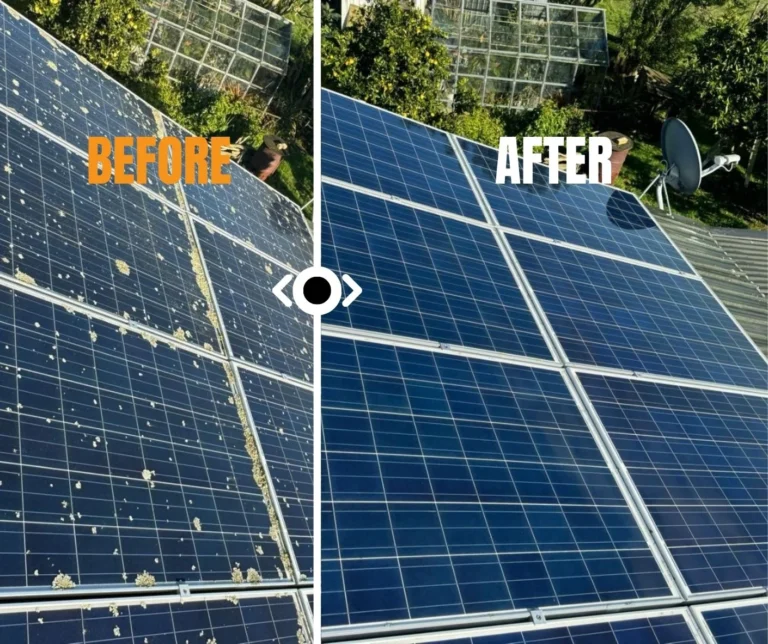
Dust washes off with the right process. Lichen does not. Lichen bonds to solar glass, blocks light completely where it grows, and spreads every season it’s left alone.
This is one of the most expensive hidden costs in residential solar maintenance because homeowners assume it’s cosmetic. It isn’t. A colony of lichen across even a small section of a panel can permanently shade those cells, dragging down the output of the whole string depending on your wiring.
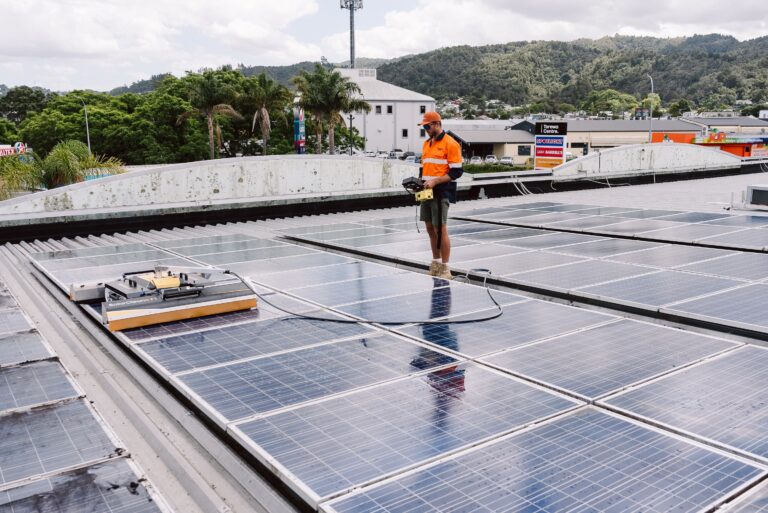
Professional removal uses specialist equipment designed only for solar, not general window cleaning gear that can scratch the glass while trying to lift the growth. Our team has spent years dealing with lichen on shaded and coastal roofs, and it’s covered as part of our normal solar panel cleaning process.
Why Homeowners Choose Eco Shine Solar for Residential Solar Maintenance
Eco Shine Solar is owned and operated by three brothers, Edwin, Sam, and Ben O’Dea. We’ve been cleaning solar since 2017, and we built the business around one idea: if you can’t trust the person on your roof, the rest of the service doesn’t matter.
When you schedule a service with us, you can trust that we will be there on time, in uniform, and ready to go. We also carry full insurance to cover both our team and your property, so you can have peace of mind while we’re working above your home.
We were named SEANZ Best Small Business 2024, which we’re proud of, but the report we hand you after every clean matters more day to day. It tells you exactly what condition your system is in and what, if anything, needs attention next.

Commercial and Utility-Scale Maintenance: A Quick Word
Residential systems aren’t the only ones dealing with hidden costs. We also handle commercial solar panel cleaning for businesses running larger arrays, where the same soiling problems scale up fast across a bigger roof or ground-mount array. Utility-scale operators face the same maths, just with more panels and more zeros on the loss column.
If you’re weighing up whether to add bird proofing, anti-soiling clips, or a maintenance plan to your setup, our full shop has the products, and our services page lays out everything we offer beyond cleaning.
Conclusion: Weighing Hidden Costs Against Professional Cleaning Results
The residential solar maintenance conversation really comes down to a simple comparison: hidden costs vs professional cleaning results. Left alone, a system can quietly lose a significant share of its annual output, and DIY shortcuts risk permanent damage that costs far more than a proper clean ever would.
A professional visit, backed by pure water, a proper inspection, and a written report, restores performance and gives you a paper trail on your system’s health. If your panels haven’t been cleaned or checked in a while, we can help, and getting an obligation-free quote takes two minutes on our free quote page.
Frequently Asked Questions
Is professional solar panel cleaning worth it in 2026?
Yes, for most households. The energy recovered from removing built-up dust, salt, and lichen typically outweighs the $275-$395 cost of a standard clean within one billing cycle.
How much power do dirty solar panels actually lose?
Dirty panels can lose anywhere from 5% to 40% of their output depending on soiling levels, and unmaintained systems in high-soiling areas lose a significant share of annual production.
Can I clean my own solar panels instead of hiring a professional?
You can safely rinse accessible ground-level panels with plain water, but roof-mounted panels involve height risk, and tap water minerals can leave calcium deposits that reduce light transmission by 2-4%.
How often should residential solar panels be cleaned in New Zealand?
Most NZ homes need a professional clean every 12-18 months, though coastal properties exposed to salt spray or homes shaded by trees often need it more frequently.
What is included in a professional solar maintenance visit?
A proper visit includes pure water cleaning, a 7-point inspection of panels, cabling, and inverter readings, before-and-after photos, and a written system health report delivered within 48 hours.
Does bird activity really damage solar panels?
Yes. Birds nesting underneath panels leave droppings and nesting material that block airflow and create hotspots, and bird guard mesh is the most reliable way to stop it before damage occurs.
What’s the biggest hidden cost in residential solar maintenance?
Lichen and permanent coating damage from abrasive DIY tools are the two biggest hidden costs, since both cause ongoing output loss that a simple rinse or rain shower will never fix.